
Tropical Coastal Home Design in Tanzania | Dala Ber
Imagine waking up to the sound of gentle waves and the sight of sunlight filtering through palm trees. Coastal living in Tanzania—from the serene beaches of Zanzibar to the vibrant shores of Dar es Salaam—is a dream many aspire to. However, this idyllic setting comes with its own set of challenges: salt-laden air, intense humidity, and powerful sun. Designing a home for this environment requires a thoughtful approach that balances aesthetics with durability. This guide delves into the core principles of tropical home design and coastal architecture to help you create a home that is not only beautiful but also built to last.
The Foundation: Coastal Home Design & Architecture
Effective coastal home design is rooted in a deep understanding of the local climate. The goal is to create a structure that lives in harmony with its surroundings, promoting comfort and reducing reliance on artificial cooling.
Key principles include:
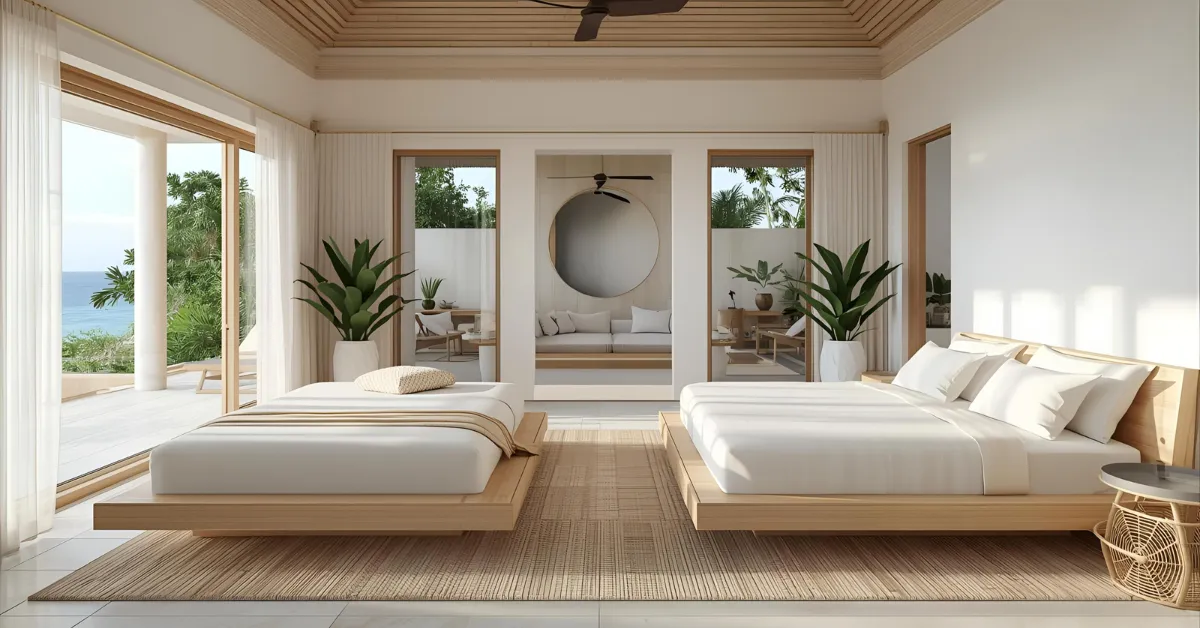
Open Layouts: Walls are minimised to encourage a seamless flow between indoor and outdoor living spaces. This creates a sense of expansiveness and allows cool breezes to move freely through the home.
Maximising Natural Light: Strategically placed large windows, clerestory windows, and light wells flood the interior with sunlight, reducing the need for electric lighting during the day.
Promoting Cross Ventilation: This is the cornerstone of tropical home design. Positioning windows and doors on opposite sides of a room creates a wind tunnel effect, naturally expelling hot air and drawing in cooler air from the ocean or shaded areas.
Building for the Elements: Materials for Durability
The choice of materials is perhaps the most critical decision in coastal architecture. The right materials will resist corrosion, decay, and sun damage, ensuring your home remains beautiful for decades.
Salt-Resistant Materials: Avoid standard steel, which rusts quickly. Opt for:
Stainless Steel (Grade 316): Ideal for fixtures, fasteners, and railings.
Aluminium: Excellent for window frames and louvres due to its natural corrosion resistance.
Treated Timber: Hardwoods like Iroko, Mvule, or pressure-treated pine are durable choices for decking and structural elements, but require regular sealing.
Moisture-Proof Foundations: Elevating the home on pilings or using a raised plinth protects against storm surges and dampness. Walls should be finished with high-quality, vapour-permeable paints or cement-based renders that allow moisture to escape.
Eco-Friendly & Local Options: Incorporating locally sourced coral stone or using bamboo for non-structural elements and shading can reduce the environmental footprint and enhance the authentic feel of your beach house designs.
Staying Cool: Ventilation & Climate Considerations
A well-ventilated home is a comfortable home. Beyond cross-ventilation, consider these practical features:
High Ceilings: Hot air rises. Vaulted or high ceilings allow this heat to accumulate above the living space, keeping the area where you live and sleep cooler.
Strategic Shading: Wide, overhanging eaves, verandas, and pergolas shade windows and walls from the harsh midday sun, significantly reducing heat gain.
Louvred Windows and Vent Blocks: These allow you to control airflow even during light rain, maintaining ventilation while protecting the interior. Ventilation blocks (concrete or clay) are a stylish and functional feature in many coastal house designs, providing privacy and constant airflow.
From Concept to Reality: Beach House Designs & Inspiration
So, what do these principles look like in practice? Modern coastal house designs in Tanzania often blend contemporary lines with traditional Swahili influences.
The Modern Swahili Villa: This style features a flat or gently sloping roof, clean lines, and a central courtyard. It uses coral stone accents, deep verandas (barazas), and intricate vent blocks (makuti) to create a home that is both timeless and perfectly adapted to the climate.
The Elevated Pavilion: Perfect for direct beachfront plots, this design raises the main living area on stilts. This maximizes ocean views, captures breezes, and provides a shaded outdoor space below. The layout is typically open-plan, with large sliding glass doors that blur the boundary between inside and out.
These beach house designs prove that you don’t have to sacrifice style for sustainability; the two can work in perfect synergy.
Conclusion: A Home Built for the Long Term
Designing a home for Tanzania’s coast is an exercise in smart, resilient planning. By prioritizing climate-responsive coastal architecture and selecting durable, suitable materials, you invest in a property that will offer comfort, beauty, and peace of mind for years to come. Your tropical home should be a sanctuary that embraces the best of coastal living while standing strong against its challenges.
FAQs: Coastal and Tropical Home Design
1. What materials last longer near the ocean?
Stainless steel (316 grade), aluminium, treated hardwoods (e.g., Iroko), coral stone, and fibre-cement products are excellent choices for their resistance to salt corrosion and moisture.
2. How can I keep my coastal home cool without high AC costs?
Focus on passive cooling: design for cross-ventilation, install wide eaves for shading, use light-coloured reflective roofs, and incorporate high ceilings to let heat rise.
3. What is the best roof for a tropical home design?
Metal roofs with reflective, insulated coatings are excellent for shedding rain and reflecting heat. Traditional makuti (thatch) is also a great natural insulator but requires more maintenance.
4. How do I protect my home from humidity and mould?
Use vapour-barrier paints, ensure excellent ventilation in bathrooms and kitchens, and choose moisture-resistant materials like ceramic tiles or polished concrete for floors.
5. Are open-plan layouts practical for coastal living?
Absolutely. Open layouts are a hallmark of tropical home design as they facilitate airflow and create a bright, spacious feel that connects with the outdoors.
6. What are the key elements of Swahili coastal architecture?
Key features include thick coral stone walls, large carved doors, shaded baraza (stone benches), courtyards, and intricately designed vent blocks for privacy and breeze.
7. Is it necessary to elevate a beach house?
While not always mandatory, elevating the main living area is highly recommended for flood protection, better views, capturing breezes, and creating a shaded outdoor area below.
8. What type of windows are best for a beach house?
Louvred windows or casement windows that can catch and direct breezes are ideal. Aluminium or uPVC frames are best for corrosion resistance.
9. How can I make my coastal home more eco-friendly?
Use local materials, install rainwater harvesting systems, incorporate solar panels for energy, and design with natural ventilation and lighting to reduce energy consumption.
10. What is the most common mistake in beach house designs?
The most common mistake is using standard building materials (like mild steel or untreated wood) that are not rated for a marine environment, leading to premature rust, rot, and costly repairs.


